2026 Top Window Elevator Manufacturers and Suppliers
The 2026 Window Elevator market is becoming more important as cities build taller, glazed façades. These systems support window cleaning, façade inspection, maintenance, and controlled material handling. They can reduce manual exposure to height-related risks when properly selected and operated.
Industry data supports this broader demand. Grand View Research valued the global elevator market at about USD 88.9 billion in 2023. Its analysis also projects continued growth through 2030, driven by urbanization, modernization, and high-rise construction. Fortune Business Insights reports similar expansion, although its figures differ because market boundaries and product categories are not identical. This difference matters. A Window Elevator is often grouped with façade access systems, building maintenance units, or suspended platforms rather than measured separately.
The details matter.
For buyers, supplier quality cannot be judged by price alone. This 2026 guide examines manufacturers through engineering capability, load control, platform stability, service coverage, spare-parts availability, and documented testing practices. It also considers practical installation conditions, including narrow roof spaces, coastal corrosion, uneven façades, and frequent maintenance cycles. ISO 9001 quality systems and relevant lifting-equipment standards can strengthen supplier credibility, but certificates still require verification. Product brochures are not enough.
Some market claims remain difficult to compare. Reported growth rates vary. Product names also overlap. Therefore, this ranking should be read as a structured purchasing reference, not an absolute verdict. Experience from contractors, facility managers, and inspection professionals remains essential. The strongest suppliers combine dependable equipment with responsive technical support, clear documentation, and realistic operating guidance. That balance will shape the leading Window Elevator manufacturers and suppliers in 2026.
What Is a Window Elevator and How Does It Work?
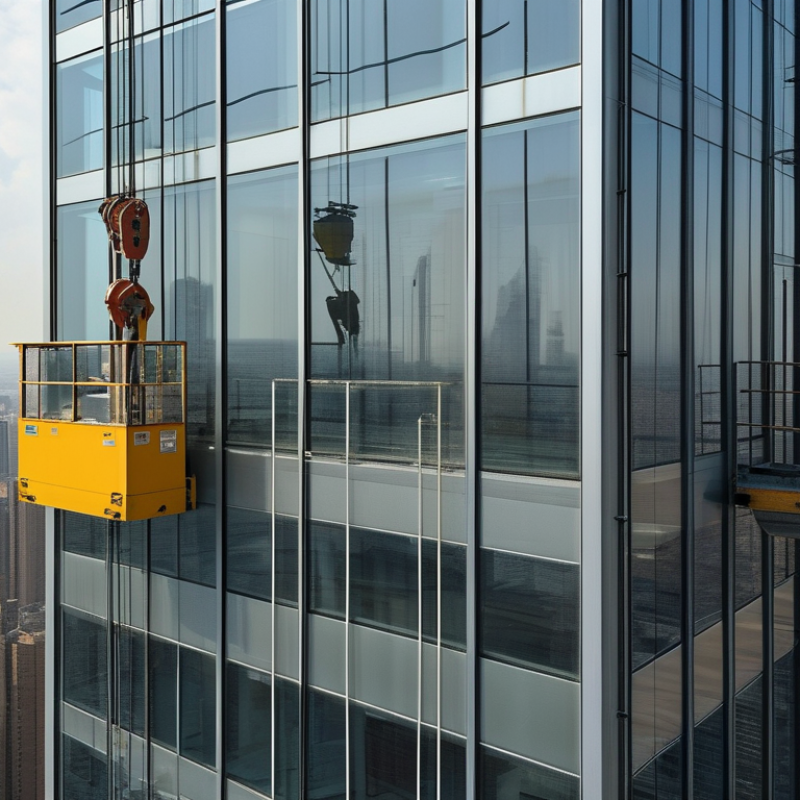
A window elevator is a façade access system for cleaning, inspection, and minor maintenance. The term is not perfectly standardized. It may describe a permanent building maintenance unit, a suspended platform, or a compact hoist system.
A typical unit uses a roof trolley, wire ropes, motors, and a work platform. The trolley travels along roof rails or a track. Then, powered hoists raise or lower the platform beside the glass. Operators control speed and position from inside the platform. Limit switches, emergency stops, overspeed devices, and backup suspension points reduce risk. EN 1808 and OSHA 1910.66 provide important safety references. CTBUH’s 2024 tall-building data records more than 2,000 buildings worldwide above 200 meters. More height means longer travel, stronger wind exposure, and greater demand for reliable access equipment. A clean specification still may miss real site conditions.
Tips: Check the platform’s rated load, rope length, rail alignment, and emergency lowering system. Ask for inspection records, load-test evidence, and operator training documents. Measure parapets and façade setbacks before choosing a supplier. Wind limits matter. A system that works on a calm test day may perform poorly near a sharp corner. I would also question vague claims about “maintenance-free” operation; cables, brakes, and electrical controls still need routine inspection.
Key Types of Window Elevators and Their Main Applications
Window elevators, also called window regulators, control the movement of vehicle glass inside the door. Their design affects comfort, safety, noise, and long-term reliability. Choosing the right type requires more than matching a product photo.
Cable-driven window elevators are compact and widely used in passenger vehicles. A motor winds a cable around a drum, moving the glass through guide rails. They suit modern doors with limited internal space. Scissor-type elevators use linked metal arms. They offer strong lifting support and can handle heavier glass, although their joints need accurate alignment. Single-arm mechanisms have fewer moving parts. They may simplify maintenance, but uneven loads can cause tilting.
Manual window elevators use a hand crank and remain useful in basic vehicles, older models, and cost-sensitive equipment. Electric types provide smoother control through switches, anti-pinch functions, and automatic closing systems. Commercial vehicles often need reinforced regulators because their doors may experience frequent operation and stronger vibration. Specialty vehicles can require custom mounting points and unusual travel distances.
Application conditions matter. A supplier should verify glass weight, door geometry, motor voltage, connector design, and mounting-hole position. Cycle testing, corrosion resistance, and operating noise also deserve attention. Small mismatches can create slow movement or strange sounds. Not every replacement fits perfectly. Real-world door wear is often overlooked. Careful inspection and installation records improve reliability, though even experienced technicians may need to reassess the mechanism after repeated use.
How to Evaluate Window Elevator Manufacturers and Suppliers
When evaluating window elevator manufacturers and suppliers, inspect evidence beyond a polished brochure. Ask for verified load charts, duty-cycle results, emergency-lowering tests, and corrosion-resistance records. A reliable supplier should explain how its system performs beside wet glass, narrow façades, and frequent stops. Request factory inspection reports, installation references, and traceable component records. Experience matters here, because a small alignment error can create vibration, noise, or uneven lifting.
Energy performance also deserves attention. The International Energy Agency’s Buildings report states that buildings consume about 30% of global final energy and produce approximately 26% of energy-related emissions. Efficient motors, standby controls, and regenerative options can reduce operating waste. Compare measured energy data, not attractive percentages. Confirm whether testing follows ISO 25745 methods or another recognized local standard. Requirements may differ by country and equipment type.
Tips: Build a supplier scorecard. Include safety documentation, response time, spare-parts availability, warranty terms, training, and lifecycle cost. Ask for two recent customer references. Then call them.
Do not select only by purchase price. A cheaper unit may need specialized maintenance, unavailable seals, or costly downtime. One uncomfortable question is useful: can the supplier support this equipment ten years from now? I would also inspect a working installation, not just a showroom sample. Even strong reports can miss site-specific problems, so leave room for technical review and a second opinion.
Leading Window Elevator Manufacturers and Suppliers in 2026
Leading Window Elevator Manufacturers and Suppliers in 2026
The 2026 window elevator market is moving toward safer, lighter, and more adaptable facade-access equipment. Fortune Business Insights estimates the global elevator market at about USD 88 billion in 2023, with continued growth through 2032. This expansion supports demand for compact lifting platforms used on glass towers, atriums, and irregular building fronts.
Leading window elevator manufacturers and suppliers now compete on more than lifting capacity. Buyers should examine rated load, platform width, emergency lowering, corrosion protection, and service response. A practical supplier can provide load-test records, installation drawings, spare-parts plans, and operator training. Equipment should also align with applicable requirements such as EN 1808 or ASME A120.1, depending on the project location.
Energy use matters too. The International Energy Agency reports that buildings account for around 30% of global energy demand. Regenerative drives, standby controls, and efficient motors can reduce operating waste during repeated maintenance cycles. Still, efficiency claims need measured evidence. Some product sheets remain oddly vague. That deserves scrutiny. Site surveys should check anchor points, wind exposure, drainage, and access around parapets before purchasing. A low headline price may become expensive when custom rails, transport, or annual inspections are added. In my assessment, reliable suppliers are those that document field experience, publish clear limits, and admit where a standard model needs modification.
2026 Top Window Elevator Manufacturers and Suppliers
Typical specification benchmarks for suspended window-access elevators
The chart presents commonly published engineering ranges for suspended access equipment used in façade and window-maintenance applications. Rated load, operating speed, working height, and platform length are key dimensions for comparing suppliers. Actual specifications depend on building design, installation method, local regulations, and project requirements.
Reference basis: generalized ranges aligned with typical EN 1808-compliant suspended access equipment specifications; verify all values with project documentation and applicable local standards.